
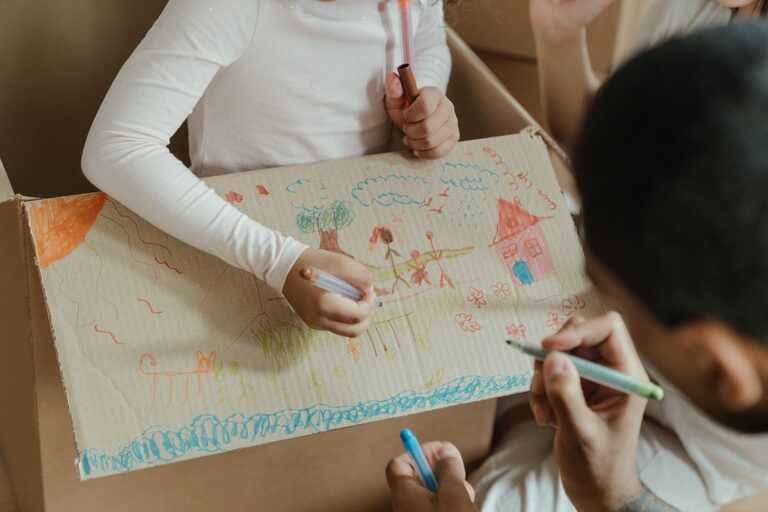
Bringing creativity into the home through kids’ art is a wonderful way to encourage expression and development. However, as every parent knows, the growing pile of drawings, paintings, and crafts can quickly become overwhelming. Organizing your child’s artwork not only preserves precious memories but also keeps your living space tidy and manageable. In this post, we explore practical and easy-to-implement tips for keeping kids’ art organized while celebrating their creativity.
Why Organize Kids' Art?
Before diving into the tips, it’s helpful to understand why organizing your child’s artwork is beneficial:
– Preserves Memories: Organized art allows you to revisit and cherish your child’s progress over time.
– Reduces Clutter: Controlling the volume of art avoids overwhelming piles that can create stress.
– Encourages Creativity: A neat space encourages kids to create more freely.
– Easy Access: Well-organized art makes sharing with family or displaying favorites simple and fun.
1. Set Up a Dedicated Art Space
Creating a designated area for art projects helps control where supplies and finished work go.
How to Create an Art Corner:
– Use a table or desk with storage bins or drawers.
– Keep art supplies like crayons, markers, glue, and paper organized in caddies.
– Provide a corkboard or magnetic strip to display the latest creations.
Having a defined space keeps materials in one place and limits scattered artwork.
2. Establish a Routine for Reviewing Artwork
Instead of keeping every single piece, set up a regular time to sort through new art.
Tips for Reviewing:
– Pick a weekly or monthly day to review the artwork with your child.
– Decide together which pieces to keep, display, or let go.
– Use this as an opportunity to talk about their creations and encourage their efforts.
This routine helps avoid overwhelming piles and teaches children decision-making skills.
3. Choose the Best Storage Methods
Depending on the space and volume of art, select storage solutions that fit your home.
Storage Ideas:
– Portfolio Folders: Large art portfolios or expandable folders can store flat pieces by date or theme.
– Plastic Bins: Clear bins work well for three-dimensional crafts and bulky items.
– Binders: Use sheet protectors to save smaller drawings in binders.
– Digital Archiving: Take photos of artwork and store them digitally to reduce space usage.
Label each storage container or folder clearly to make finding specific pieces easy.
4. Create an Art Display Area
Displaying kids’ art makes them feel proud and brightens your home.
Display Options:
– Gallery Wall: Use clipboards, frames, or wire with clips to showcase rotating artwork.
– Art Strings: Hang a clothesline or wire with clothespins where art can easily be swapped out.
– Digital Frame: Show a slideshow of scanned artwork on a digital picture frame.
Changing the display regularly keeps the space fresh and honors new creations.
5. Use Technology to Preserve Artwork
Digitizing art is a great way to save space and create lasting memories.
Ways to Digitize Art:
– Take high-quality photos or scans of each piece.
– Use apps or cloud storage to organize and save images by date or child.
– Create digital photo books or slideshows as keepsakes.
Digital copies can also be shared with family who live far away, extending the joy.
6. Repurpose Artwork Creatively
Turn kids’ artwork into useful or decorative items, giving pieces new life.
Ideas for Repurposing:
– Make greeting cards or gift wrap from drawings.
– Scan and print art onto items like mugs or t-shirts.
– Use collages to create a new piece from several drawings.
– Laminate art to turn into placemats or bookmarks.
Repurposing not only organizes art but makes it fun and functional.
7. Teach Kids About Organization
Including your child in the organization process encourages responsibility and pride.
Teaching Tips:
– Explain why organizing art is important.
– Let them choose what to keep or recycle.
– Encourage labeling and storing artwork with your help.
These lessons foster good habits that benefit all areas of their lives.
8. Regularly Declutter and Refresh
Art piles can quickly build up; schedule periodic decluttering sessions.
How to Declutter:
– Review stored artwork every few months.
– Remove pieces that no longer feel meaningful.
– Update displays, portfolios, and digital archives.
Keeping only the most treasured pieces keeps the collection manageable and meaningful.
—
Final Thoughts
Organizing kids’ artwork doesn’t have to be a chore. By creating dedicated spaces, setting routines, and using creative storage and display ideas, you can keep your home clutter-free and celebrate your child’s creativity. Remember, the goal is to preserve memories in a way that feels joyful and manageable for your family.
Try these tips and adapt them to what works best for your household. Happy organizing!