
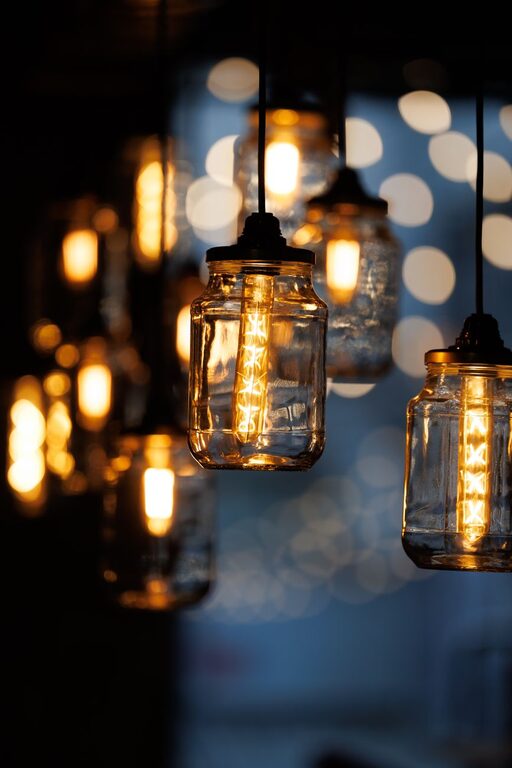
Creating a comfortable home environment involves many factors, and lighting plays a crucial role in that. The right lighting can transform a room, influencing mood, productivity, and even how spacious a room feels. If you want to improve your home’s lighting but feel overwhelmed by the choices, this guide will help you select comfortable, effective lighting for every area of your house.
Why Comfortable Lighting Matters
Comfortable lighting isn’t just about brightness. It involves the quality of light, color temperature, placement, and how adjustable the lighting is. Good lighting can reduce eye strain, improve relaxation, and make your home feel inviting. Poor lighting, on the other hand, can cause headaches, fatigue, and create an unwelcoming atmosphere.
Types of Lighting to Consider
When planning your home’s lighting, think about these three main layers:
1. Ambient Lighting
This is the general lighting that fills a room. It provides overall illumination so you can move around safely and comfortably. Examples include ceiling-mounted fixtures, chandeliers, and recessed lights.
2. Task Lighting
Task lighting focuses on specific areas where activities like reading, cooking, or working happen. Desk lamps, under-cabinet lights, and vanity lights fall into this category.
3. Accent Lighting
Accent lighting highlights particular features, like artwork, plants, or architectural details. Spotlights and wall sconces are common accent lights.
Balancing these layers creates a versatile and comfortable lighting environment.
Tips for Choosing Comfortable Home Lighting
1. Consider the Room’s Purpose
Different rooms have different lighting needs:
– Living room: Aim for warm, soft lighting to encourage relaxation.
– Kitchen: Bright, cool-white light helps with visibility during meal prep.
– Bedroom: Use dimmable lights or lamps with warm tones to create a cozy atmosphere.
– Bathroom: Bright, even lighting is ideal around mirrors for grooming.
– Home office: Task lighting combined with daylight mimicking bulbs can reduce eye strain.
2. Choose the Right Color Temperature
Color temperature is measured in Kelvins (K) and affects how warm or cool the light appears:
– Warm white (2700K–3000K): Promotes relaxation, perfect for living rooms and bedrooms.
– Neutral white (3500K–4100K): Balanced and natural, suitable for kitchens and bathrooms.
– Cool white (5000K–6500K): Bright and crisp, ideal for workspaces.
Selecting the correct color temperature helps set the mood and functionality of a room.
3. Opt for Adjustable Lighting
Dimmers and smart bulbs allow you to control brightness based on the time of day or activity. Adjustable lighting reduces eye strain and gives you flexibility to change the ambiance without changing fixtures.
4. Mind the Light Bulb Type
Energy-efficient bulbs like LEDs are excellent for home use. They last longer, generate less heat, and can offer a range of color temperatures. Avoid harsh fluorescent lights if comfort is a priority.
5. Use Multiple Light Sources
Instead of relying solely on one overhead light, combine different lighting types to eliminate shadows and create a layered effect. For example, combine ceiling lights with table lamps and floor lamps.
6. Pay Attention to Fixture Placement
Poorly placed lighting can cause glare or uneven illumination. Make sure lights are positioned where they serve your needs best:
– Task lights should be directed at work areas.
– Avoid placing lights directly behind a TV or computer screen.
– Use indirect lighting or lampshades to soften harsh light.
7. Match Fixtures to Your Style
Lighting fixtures are part of your decor, so choose styles that complement your interior design. From modern minimalist to classic or rustic, the right fixture enhances the overall vibe of your space.
8. Test Before You Commit
If possible, bring samples of bulbs or try different configurations in your room before buying. Some stores let you test light bulbs; some smart bulbs can be controlled remotely, so you can experiment with colors and brightness.
Additional Considerations
– Natural light: Maximize daylight by keeping windows unobstructed. Use curtains or blinds to control glare.
– Safety: Ensure stairways, hallways, and entryways are well-lit to prevent trips and falls.
– Energy savings: Consider timers or motion sensors to avoid leaving lights on unnecessarily.
Conclusion
Choosing comfortable home lighting is about creating a balance between functionality, comfort, and style. By considering the room’s purpose, selecting appropriate color temperature, layering different light sources, and choosing adjustable options, you can craft a cozy and inviting atmosphere throughout your home.
Take your time exploring options and testing what works best for you. Good lighting can improve your daily life in subtle yet powerful ways. Illuminate your home thoughtfully, and enjoy the warmth and comfort that great lighting brings.