
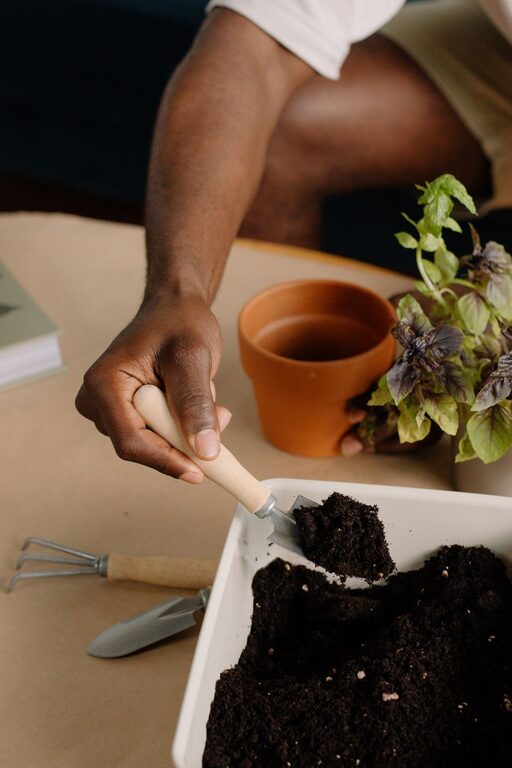
Bringing a small herb garden indoors is a wonderful way to enjoy fresh flavors year-round and add a touch of greenery to your home. Whether you have a sunny windowsill or a small corner in your kitchen, growing herbs indoors can be both rewarding and simple. This guide will walk you through everything you need to know to start your own indoor herb garden.
Why Grow Herbs Indoors?
Indoor herb gardening offers many benefits:
– Freshness: Harvest herbs whenever you need them, right from your kitchen.
– Convenience: No trips to the store when your favorite herbs are at your fingertips.
– Year-round growth: Unlike outdoor gardens, indoor plants can thrive all year, regardless of the season.
– Therapeutic activity: Gardening indoors can reduce stress and improve your mood.
– Space-saving: Perfect for those without outdoor space or with limited room.
Choosing the Right Herbs for Indoor Gardening
Not all herbs are equally suited for indoor growth. Some thrive better indoors due to their lower light and temperature requirements.
Best Herbs for Beginners
– Basil: Loves warmth and sunlight; great for sauces and salads.
– Mint: Easy to grow, but keep it in its own pot as it spreads quickly.
– Parsley: Handles moderate light; a versatile cooking herb.
– Chives: Needs bright light and is perfect for garnishes.
– Thyme: Prefers bright light and well-drained soil.
– Oregano: Requires plenty of sun and minimal watering.
What You’ll Need to Get Started
Before you begin, gather these basic supplies:
– Containers: Pots or containers with drainage holes prevent waterlogging.
– Potting Soil: Use a light, well-draining potting mix suited for indoor plants.
– Herb Seeds or Starter Plants: You can start from seeds or buy small plants from a nursery.
– Light Source: A sunny window or supplemental grow lights if natural light is limited.
– Watering Can: For easy and precise watering.
– Labels: To keep track of your herbs, especially when starting multiple varieties.
Setting Up Your Indoor Herb Garden
Step 1: Select the Location
Herbs generally need 6-8 hours of sunlight per day. A south-facing window is ideal. If your home doesn’t offer enough natural light, consider using LED grow lights or fluorescent bulbs designed for plants.
Step 2: Prepare Your Containers
Clean your pots thoroughly before planting to prevent diseases. Add a layer of small stones or broken pottery at the bottom to enhance drainage. Fill the pot with potting mix but leave about an inch at the top.
Step 3: Planting Seeds or Seedlings
– Seeds: Follow the instructions on the seed packet for depth and spacing. Gently water after planting.
– Seedlings: Gently remove the plant from its nursery container, loosen roots if needed, and plant at the same depth in your container.
Step 4: Water Properly
Herbs prefer moist soil but not soggy. Water when the top inch of soil feels dry. Overwatering can cause root rot, so check soil moisture regularly.
Step 5: Feeding and Care
Use a balanced, water-soluble fertilizer every 4-6 weeks to keep your herbs healthy. Avoid over-fertilizing, which can harm flavor and growth.
Tips for Maintaining Your Indoor Herb Garden
– Rotate Containers: Turn your plants regularly to ensure even sunlight exposure and balanced growth.
– Prune Regularly: Pinch or trim herbs to encourage bushier growth and prevent flowering, which can change flavor.
– Watch for Pests: Indoor plants can attract pests like aphids or spider mites. Wipe leaves with a damp cloth and use natural pest deterrents if needed.
– Control Humidity: Most herbs prefer moderate humidity; if your home is dry, mist plants occasionally or place a humidity tray nearby.
Harvesting Your Herbs
Harvest herbs regularly to promote continued growth. Use clean scissors or pinch just above the leaf nodes, leaving enough foliage for the plant to thrive.
– Harvest in the morning for best flavor.
– Avoid taking more than one-third of the plant at a time.
– Use fresh herbs immediately or dry/freeze them for later use.
Troubleshooting Common Problems
– Yellow Leaves: May indicate overwatering or poor drainage.
– Leggy Growth: Not enough light; consider adding grow lights.
– Wilting: Could be underwatering or root issues.
– Brown Leaf Edges: Often caused by dry air or inconsistent watering.
Final Thoughts
Starting a small indoor herb garden is a rewarding project that can add fresh flavors, beauty, and greenery inside your home. With a little attention and care, you can enjoy the satisfaction of growing your own herbs regardless of the season or outdoor space. So grab your pots, pick your favorite herbs, and start planting today!
Happy gardening!